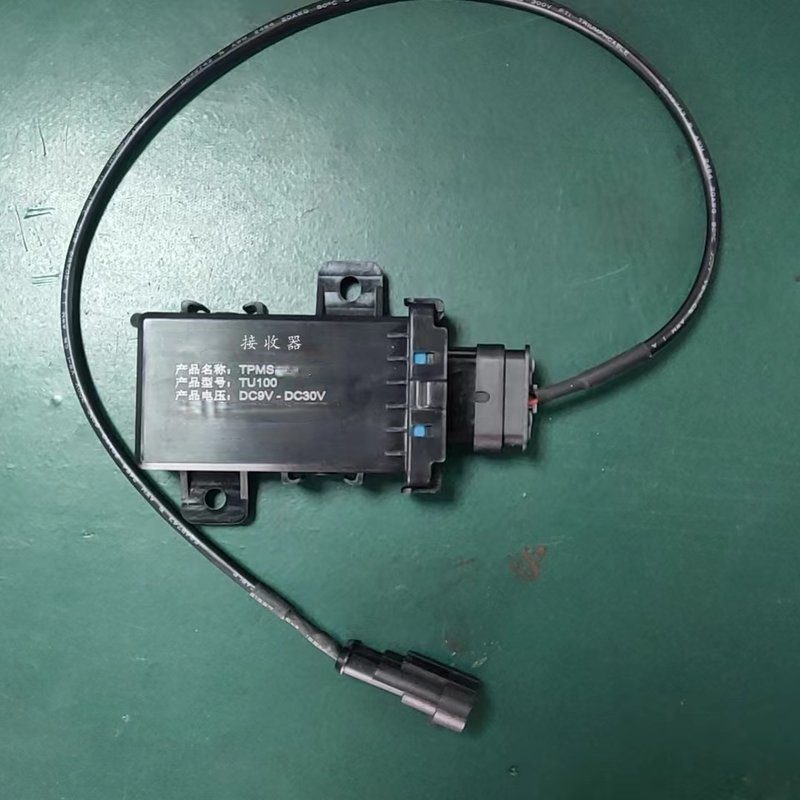
Integration
Wire into the machine's own controller
An integrated receiver with CAN / J1939, RS485, Modbus RTU, Profinet or RS232 output. The controller reads tire data like any other node — no second display, no separate system.
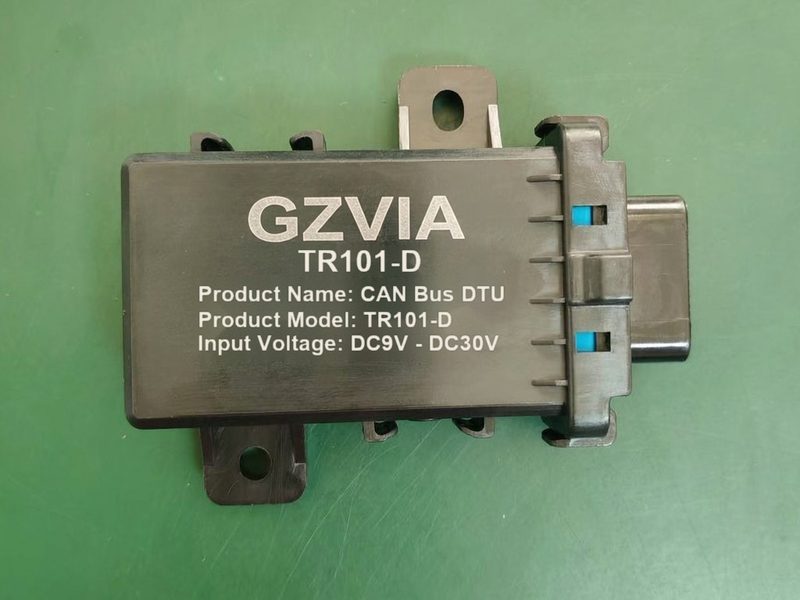
We design and build the entire chain in-house: sensors, receivers, repeaters, displays, CAN Bus DTUs, and the 4G cloud platform. Connect your system to CAN, RS485, PROFINET, RS232 or Modbus — or use the DTU to put the whole fleet online, no custom wiring required.
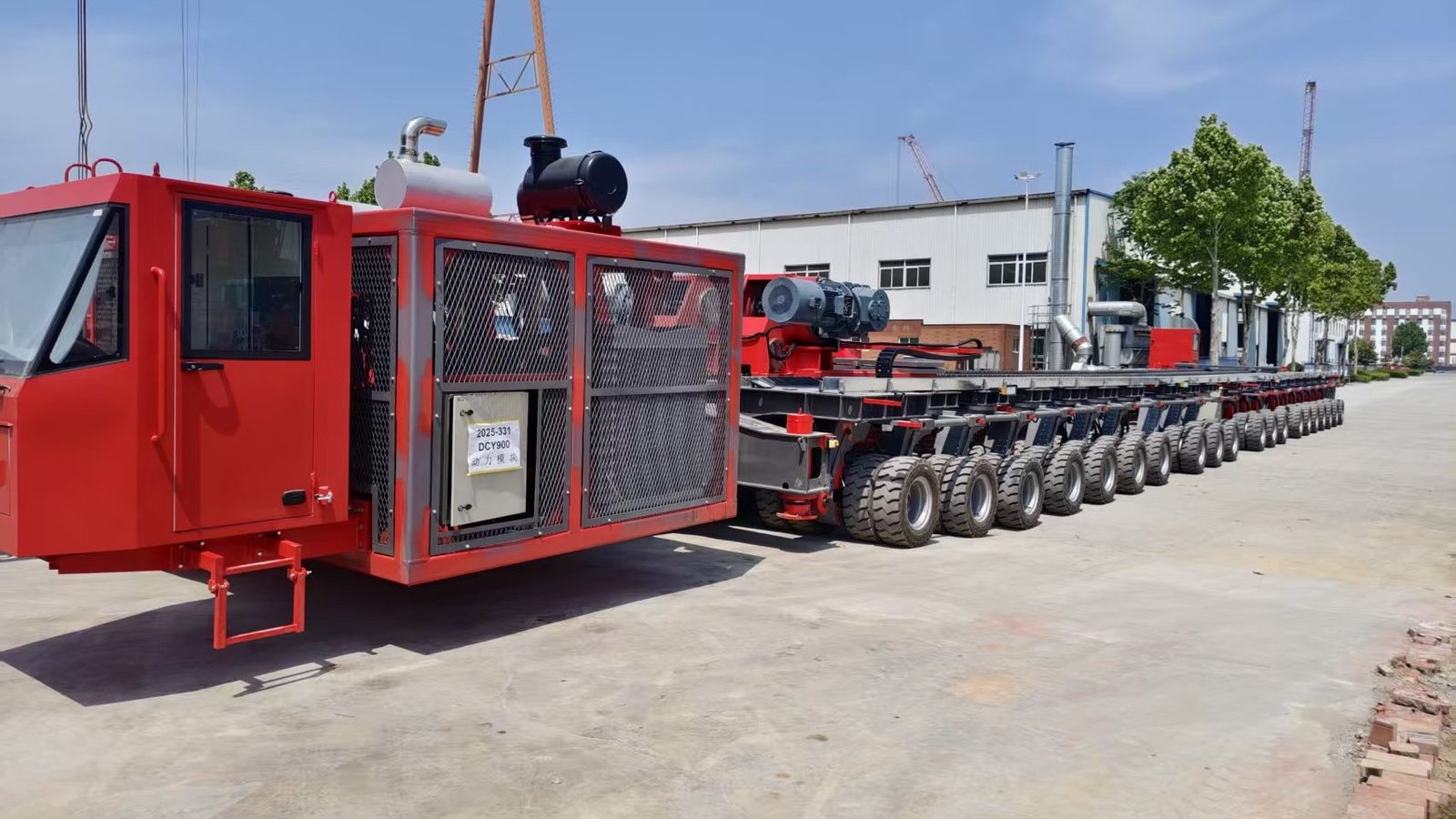
Most TPMS projects fail at the interface, not at the sensor. Tell us which controller has to receive the data and we build the chain around it.
An integrated receiver with CAN / J1939, RS485, Modbus RTU, Profinet or RS232 output. The controller reads tire data like any other node — no second display, no separate system.
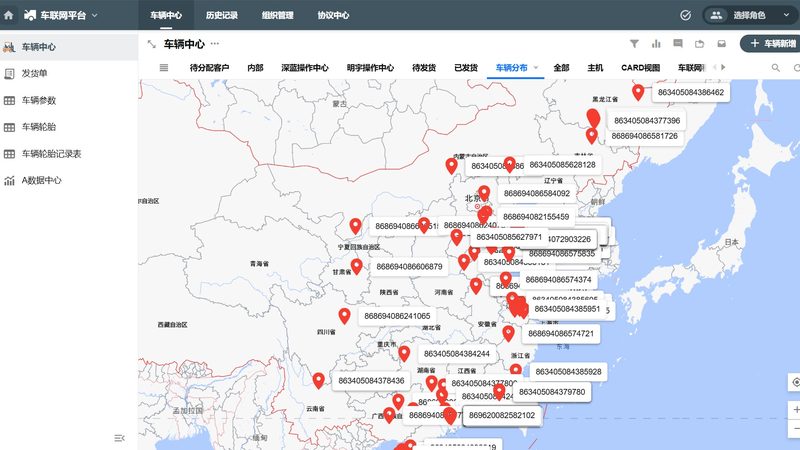
The same receiver plus a 4G DTU becomes a connected unit reporting to a cloud dashboard: fleet overview, alarms, history per vehicle, and an open API into your own platform.
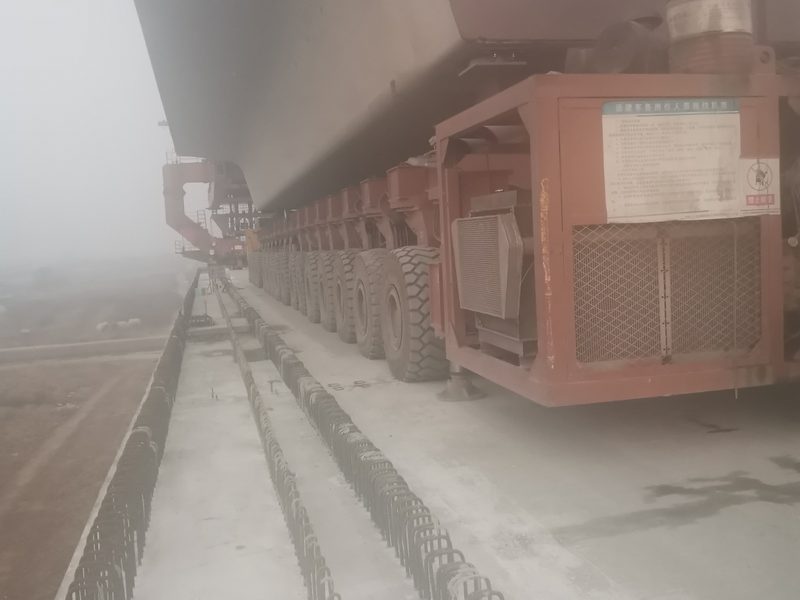
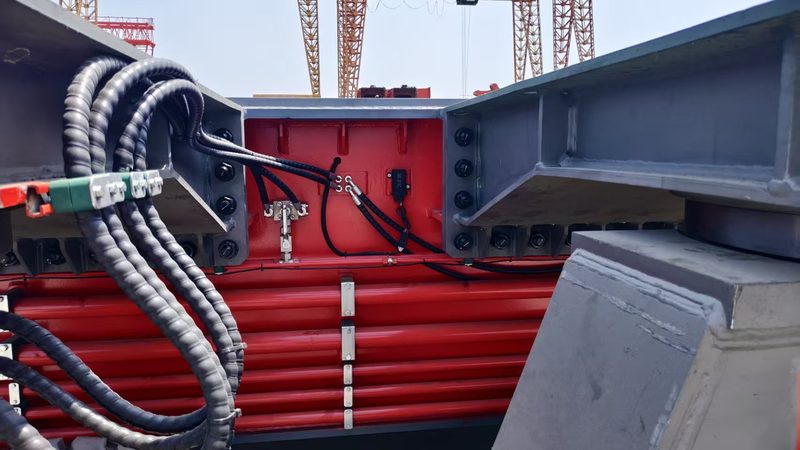
Up to 250 wheel positions on one vehicle with repeaters along the chassis. Delivered on a 160-wheel beam carrier; the largest machine we have instrumented carries 224 wheels.
One 433.92 MHz sensor platform, five ways to get the data where it is needed — from a standalone cab display to raw CAN-bus output for your own platform.
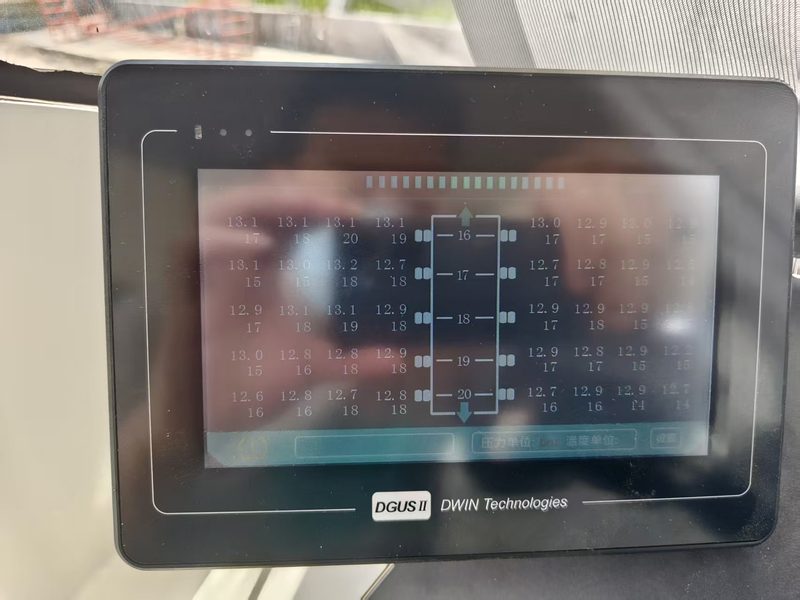
7" colour LCD, every tire at a glance, Bar/PSI and °C/°F switchable. Delivered on a 224-tire installation.
No display of its own — feeds tire data into your CAN bus, PLC, VCU or host display. Documented protocol for second development.
Live tire data in an App or PC platform, plus vehicle tracking, route history and anti-theft. Up to 42 tires per unit.
Beyond turnkey systems we supply sensing hardware on its own — for dashboard makers, integrators and IoT programmes that build their own product around it.
BLE 4.1 pressure and temperature sensor for motorcycle and light-vehicle dashboards. Pairs straight to CarPlay head units; CR1632 replaceable without re-pairing.
Component details →Battery-powered sensing nodes with 4G Cat.1 backhaul and an open API — door, temperature, humidity and vibration variants.
Platform details →Slow leaks, under-inflation and overheating cost more than tires — they cost uptime. Our systems watch every wheel and report where your operators already look.
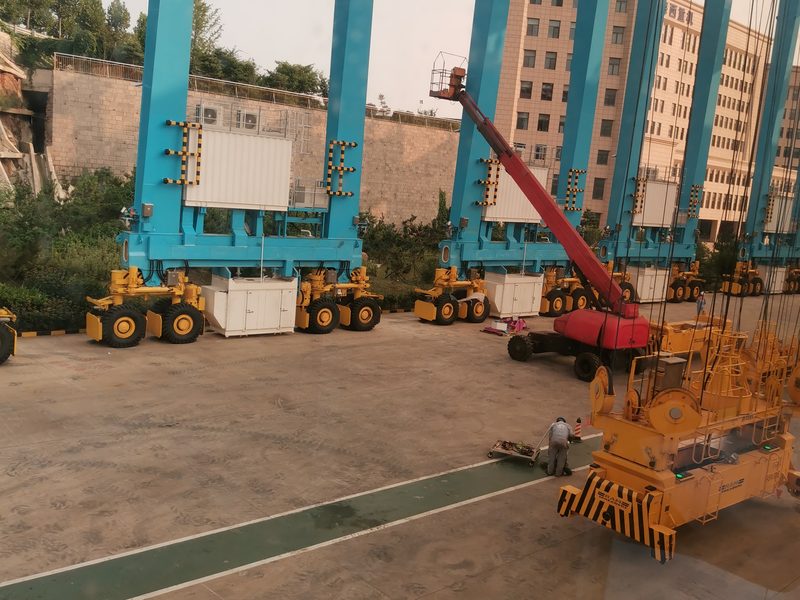
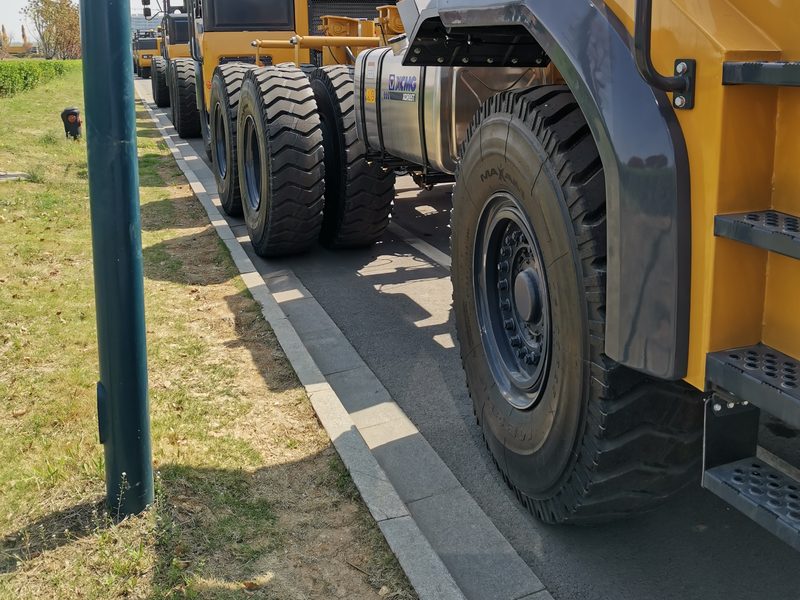
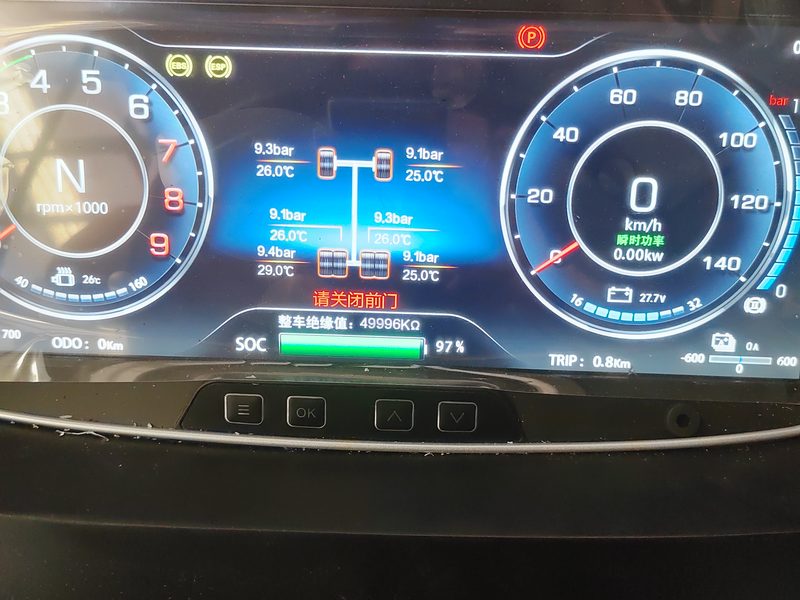
Sensor, receiver, repeater, display and the cloud platform are all developed by our own hardware and embedded software team — so a change request never bounces between suppliers.
Protocol, enclosure, display UI, API and cloud dashboards can be adapted. Interfaces include CAN, RS485, Profinet, RS232, Modbus RTU and BLE.
In service with Shanghai city buses, XCMG port machinery and Zhengzhou Xindafang beam carriers. Industrial grade: IP68, −40 ~ +125 °C.
How tire data actually gets into a controller, and what we learn doing it.
Most TPMS integration projects fail at the interface, not the sensor. Here is how tire data actually reaches a vehicle controller, what to ask a supplier for, and where deployments usually break.
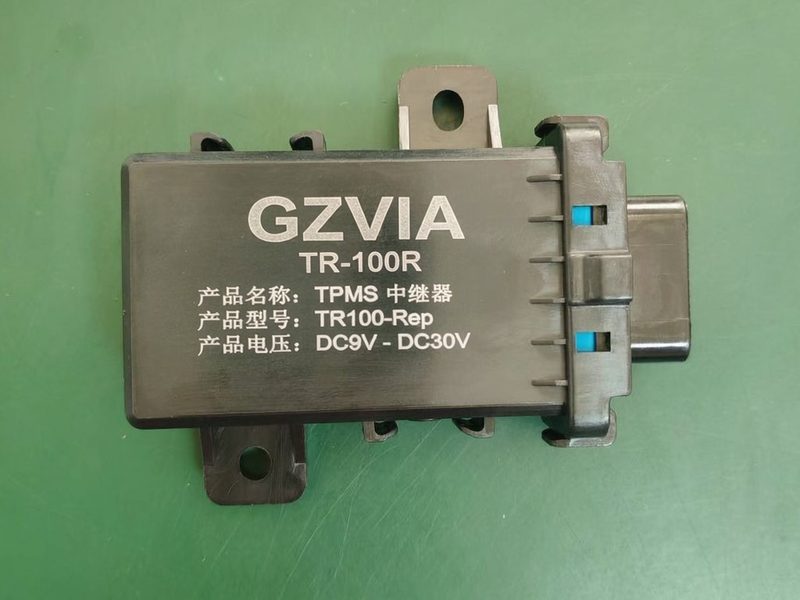
On a 160-wheel beam carrier one receiver cannot hear every sensor. Repeater placement is a geometry problem, and getting it wrong shows up as intermittent data months later.
Send the wheel count, operating voltage and which controller should receive the data. We reply with a wiring plan, a sensor count and a quote.